This blog is about a tool, but it starts with a game.
On 2 October I set up a new Godot 4.7 project with a player controller. By the early afternoon it had a shape: a side-scrolling survival game set in an overgrown, ruined city. You play a lone drifter in a gas mask. You scavenge, you build a base, you try to last.
That kind of game needs a lot of art. So the next card on the board was an art-direction pass, and it changed the plan for the next ten days.
The list
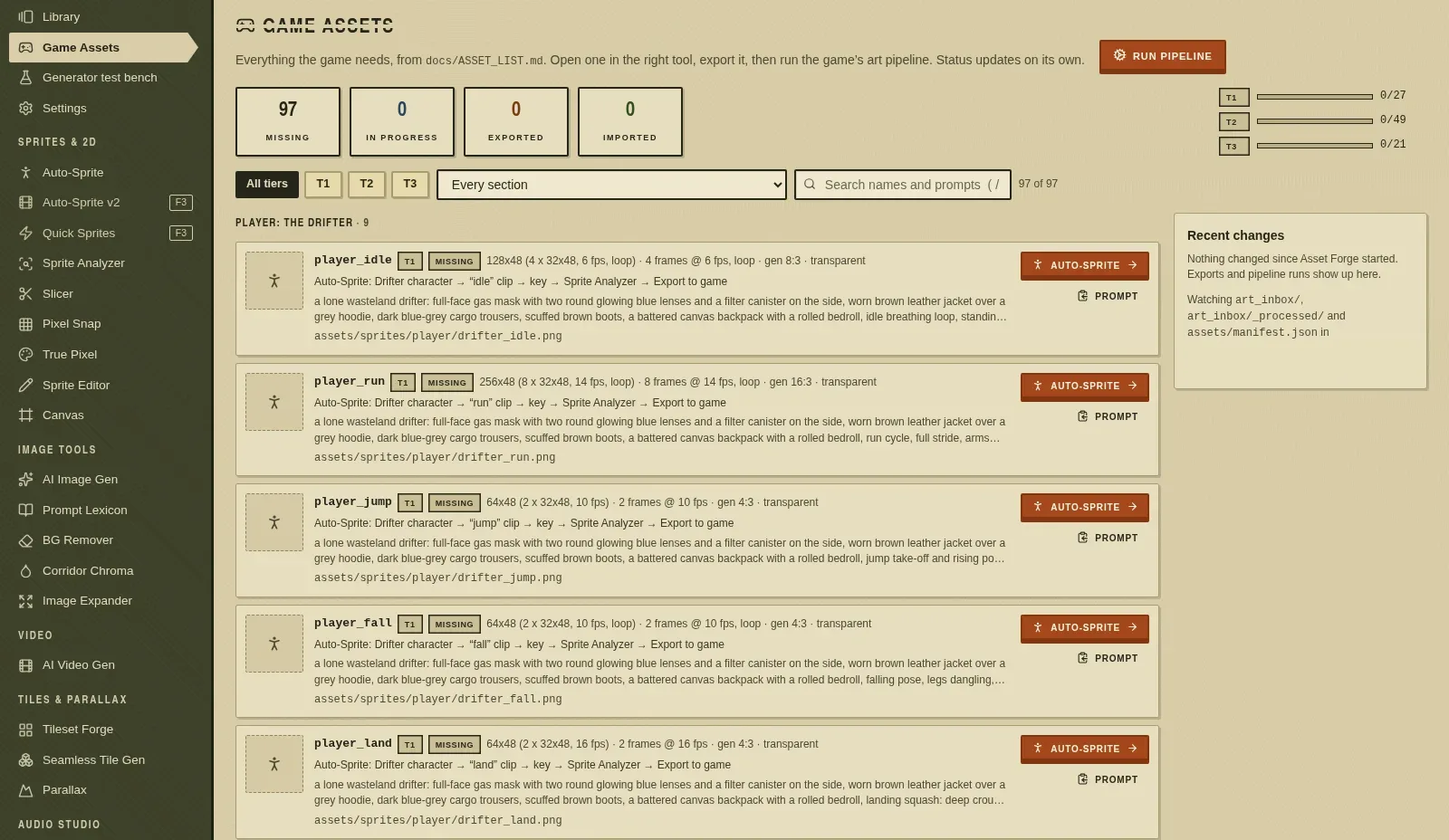
The art-direction card moved the game to a 480x270 screen with 16 px tiles and a 32x48 drifter. It set a 46-colour master palette. Then it wrote docs/ASSET_LIST.md, a list of every piece of art the first version of the game would need.
There were 97 of them: 27 in the first tier, 49 in the second and 21 in the third. Each one came with a ready-to-paste prompt for an image model.
I had a choice. I could work through 97 prompts by hand, across several websites, keying out backgrounds and slicing sprite sheets myself. Or I could build something that did the boring parts for me and dropped the results straight into the game folder.
I picked the second option before the list was even finished. The first Asset Forge card was created at 13:36. Two minutes later the game board got a card called "HOLD · Game work paused while Asset Forge is built (resume on user's word)". The asset list landed at 13:57.
Starting from someone else's tool
I didn't start from a blank page. The first card's brief was blunt: recreate the Sorceress game creation suite as my own local web app, call it Asset Forge, and make my Godot game its first user.
Sorceress is a web suite of game-asset tools: sprites, tiles, parallax, audio, 3D. A tutorial video on its AutoSprite workflow was the starting reference, because it walked through the whole route from a character concept to a finished sprite sheet.
The brief also set two rules that mattered later. The AI would run on cloud APIs only, fal.ai plus Higgsfield. And there would be no local GPU. (The second rule didn't survive. A later card added a free image route on my other PC.)
The research card behind that brief verified 88 fal endpoints and set a build order of six foundation cards, F1 to F6.
The money side
The board records what I decided. It says much less about why. What it does record is the arithmetic, and the arithmetic was on my side.
Sorceress's public plans page, read on 2 October without logging in, listed:
- a $49 one-time Lifetime licence for the tools that don't use AI;
- "Generation Credits" from $10 a month, where 1 credit is $0.01;
- VIP at $27 a month on top of that.
One research card looked at where Sorceress gets its models. It buys most of them wholesale through Kie.ai, with Replicate as a fallback. The same models are reachable directly through fal and Higgsfield.
A second card priced my own setup, with 289 entries in the end. Images were $0 on Higgsfield's Unlimited plan for Nano Banana Pro and Seedream. Kling, Wan and Seedance video were 35 to 75 percent cheaper on Higgsfield than on fal. Utilities and audio were cheapest on fal or run locally.
So the plan wasn't to save money by skipping the models. The plan was to call them directly, pick the cheapest route per job, and keep the glue code myself. Post 3 is about how that worked out in practice.
It stopped being a clone
The clone idea lasted a few hours.
The third foundation card, Auto-Sprite, was paused mid-run on 2 October with a one-line reason: "scope change (not a literal Sorceress clone)". It resumed with the interface it already had. I'd decided I wanted my own tool, not a copy of someone else's screens.
A separate design card later produced three bespoke interface directions as clickable mockups. I archived it with "keep current UI design for now". What came instead was a set of themes, which post 10 will cover.
Over the next week the board added things Sorceress doesn't have, at least not in the same form:
- exports built for Godot first, with the SpriteFrames, scenes and JSON the game reads directly;
- a motion library of 200 animation clips (v1.4.0);
- layered game music, split into parts the game can fade in and out (v1.10.0);
- an Assistant that can run the tools itself and asks before it spends anything (v1.8.0).
Twelve hours to v1.0.0
The first commit in the Asset Forge repository is bd76e1a, at 13:46 on 2 October. Its message is "research: logged-in exploration rules". The research came before the code, which post 2 is about.
v1.0.0 was tagged at 01:47 on 3 October, about twelve hours later. It had the image, sprite, tile, parallax and audio tools, a bridge into the game folder and a local service that starts with the PC. 166 tests passed.
The first real character went through the app on day one. It was the drifter, and the whole run cost $0.64: one start frame on Nano Banana 2 Edit for $0.08, then two 2-second video clips on Grok Imagine Video 1.5 at $0.28 each, keyed and cut into sheets on my own machine.
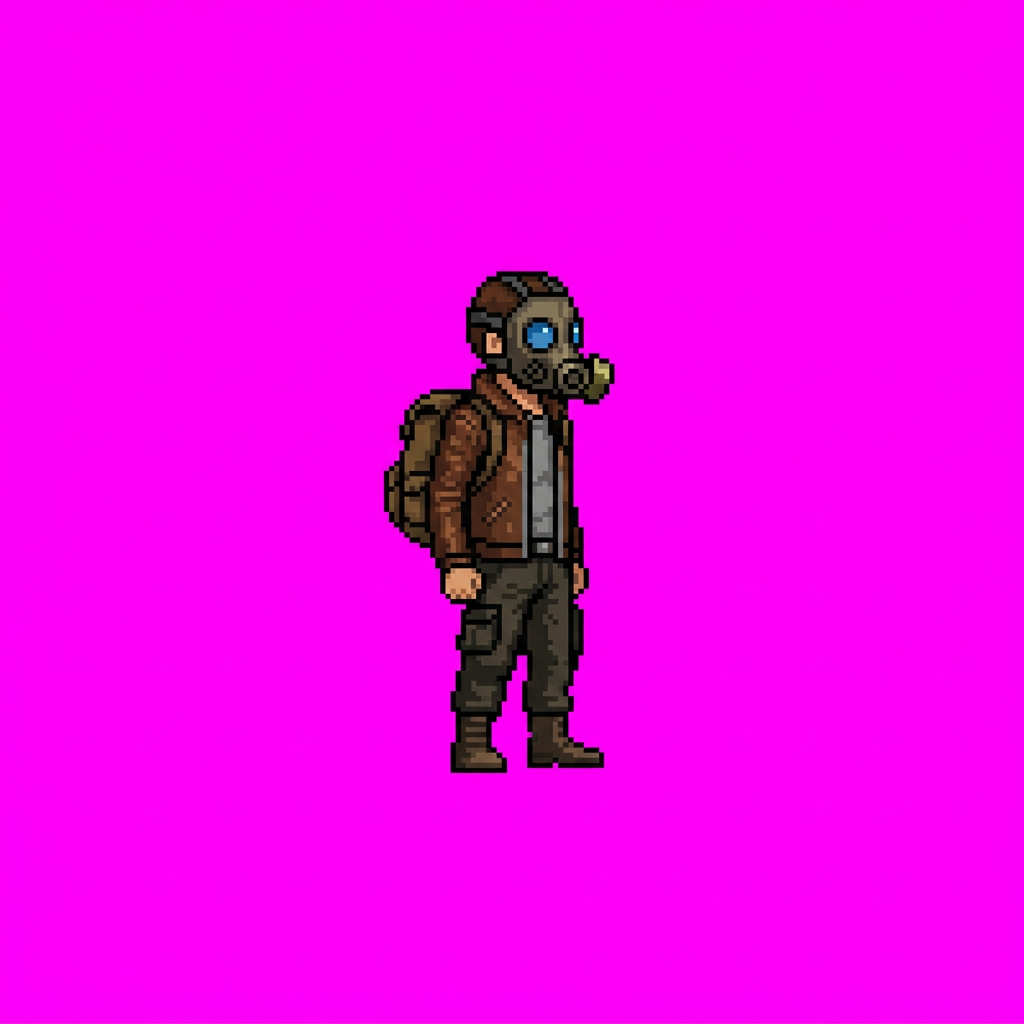
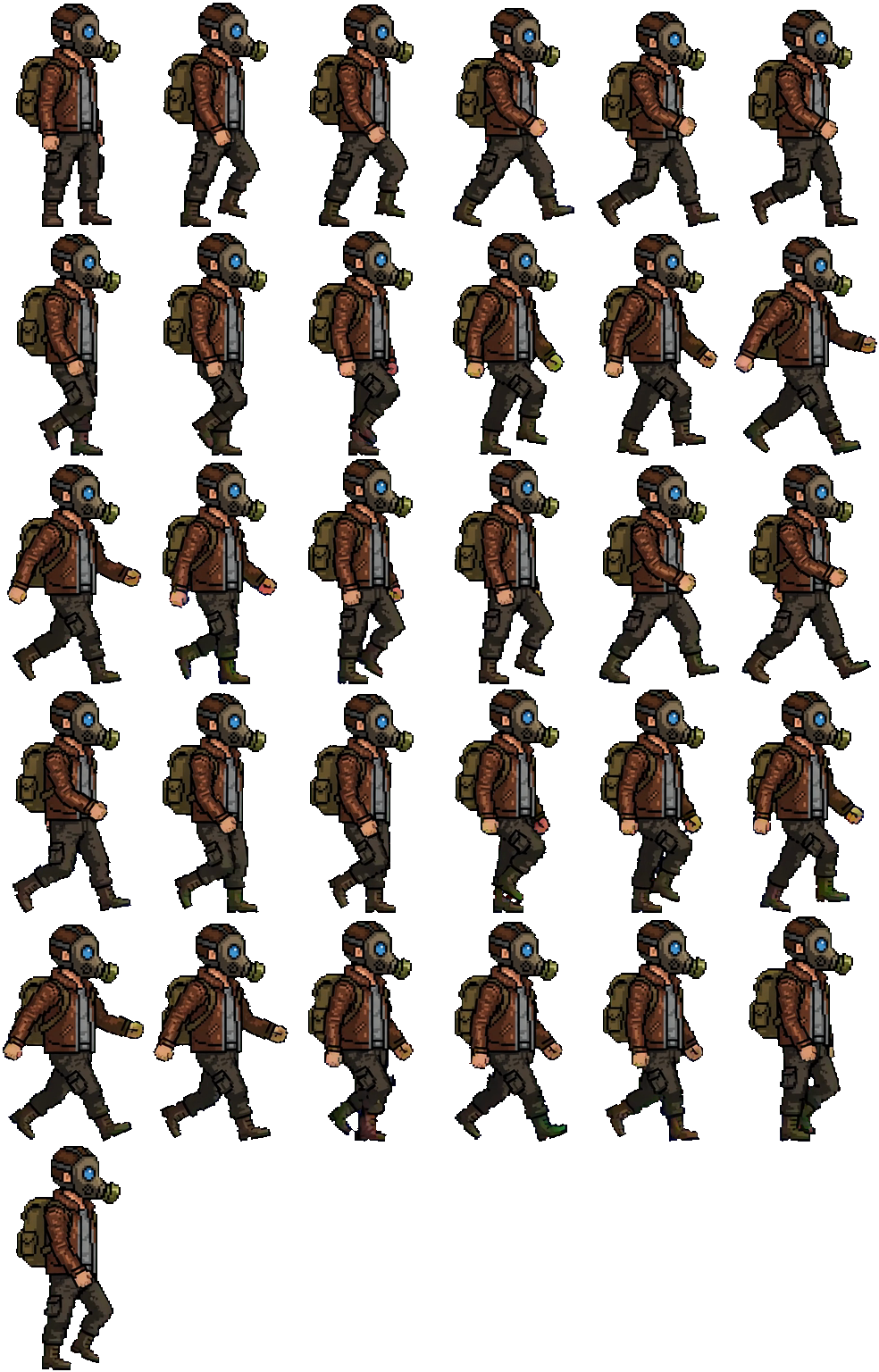
It wasn't perfect. Later cards spent a lot of effort on loops, keying and the drifter's blue lens disappearing at small sizes. But it was the whole route, from a reference picture to a sheet Godot can load, working on the first day.
Where it is now
On 11 October Asset Forge is at v1.36.1. That's 66 tagged versions in ten days, and 459 commits on the main branch. Every version is on the timeline page, with the card that made it.
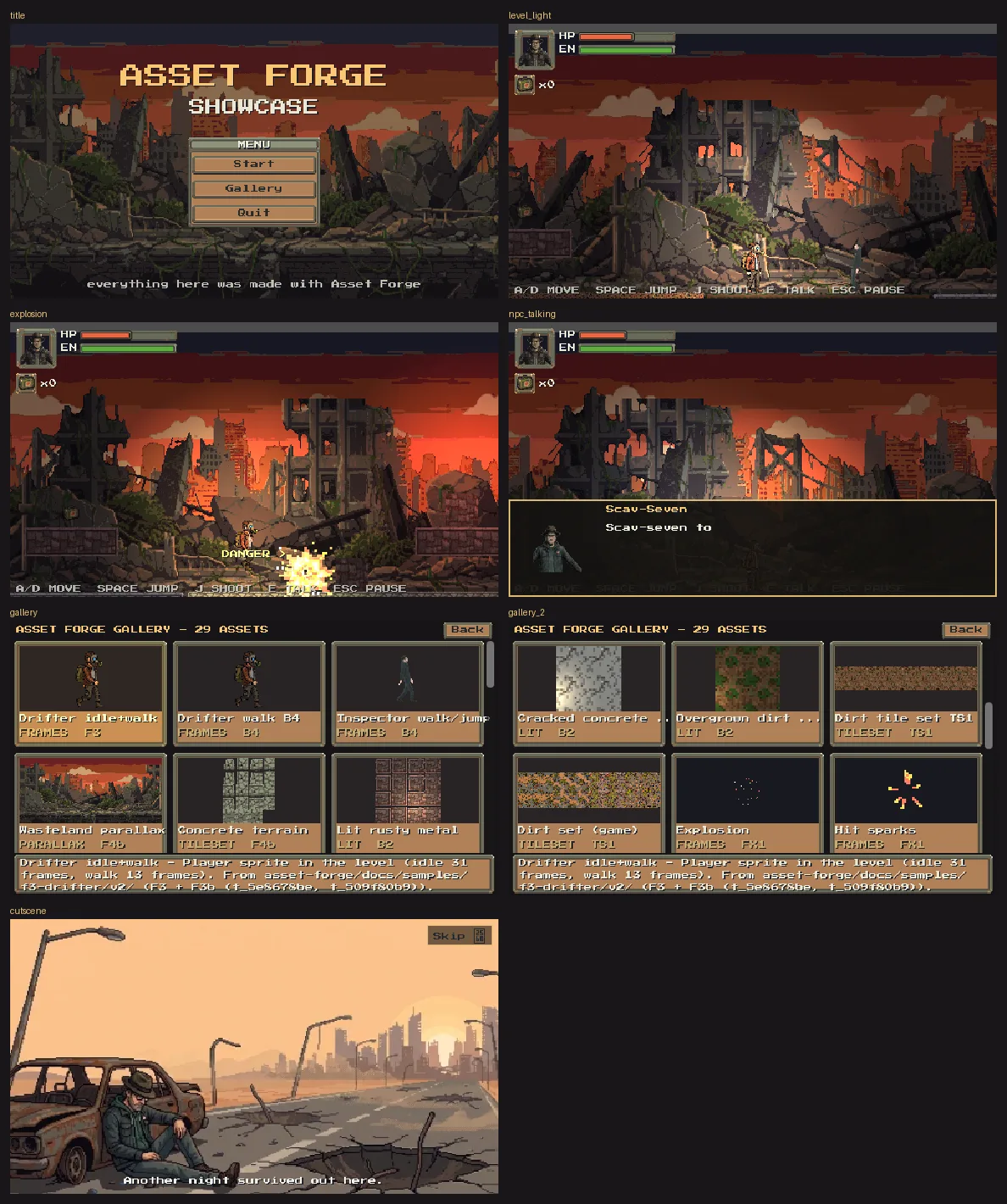
There's also a small Godot showcase, built on 5 October only from Asset Forge exports: 29 assets, a title screen, a playable level, a gallery and a cutscene. Its headless tests pass 76 out of 76. Post 12 covers it properly.
The part that didn't go to plan
The game is still on hold.
The HOLD card from 2 October is still there. The next five game cards (items and inventory, crafting and building, survival stats, saving, and game feel) are still waiting in the todo column. In ten days the tool has had 66 releases and the game has had none.
I'm not going to pretend that was the plan. I paused the game for what I thought would be a short detour, and the detour became the project. Some of that is fair: every card that made the tool better also made the eventual game cheaper and faster to build. Some of it is just that building tools is fun and making 97 pieces of art is a long job.
The rest of this series goes through it in order: the research, the money, how the work gets done, then the features one at a time, the bugs, and finally the game.